Negotiation skills training: turning conflict into collaboration
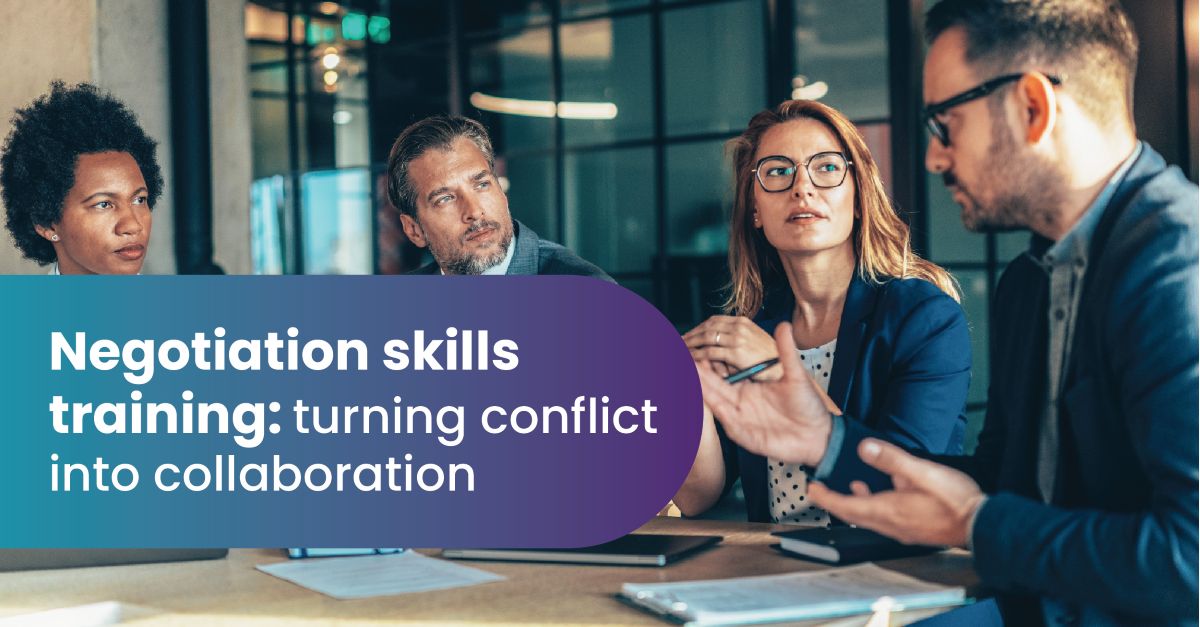
Negotiation happens every day in workplaces. Whether it’s resolving a resource conflict, aligning project priorities, or reaching agreement with vendors, negotiation is everywhere. While often described as a “soft skill,” negotiation is a Power Skill that determines whether professionals create alignment or sow division.
This article explores why negotiation is so important, the mistakes people make, and how training builds confidence to turn conflict into collaboration.
Why negotiation matters in the workplace
- Complex projects: Competing interests and limited resources require negotiation.
- Stakeholder alignment: Securing buy-in depends on influence, not authority.
- Hybrid teams: Miscommunication across locations increases conflict risk.
In Australia, where workplaces value collaboration but also directness, negotiation requires balancing assertiveness with empathy.
Common mistakes in negotiation
- Win/lose mindset: Treating negotiation as a battle undermines relationships.
- Lack of preparation: Failing to understand interests and alternatives weakens your position.
- Avoidance: Many professionals fear conflict and avoid necessary negotiations.
- Overuse of authority: Forcing outcomes creates compliance but not commitment.
How training builds negotiation Power Skills
- Interests vs positions: Understanding why people want what they want.
- Effective communication: Asking probing questions, summarising, reframing.
- Managing emotions: Staying calm when others escalate.
- Finding common ground: Focusing on shared goals rather than differences.
Courses like Leading effective negotiations provide practice in safe environments before applying skills to high-stakes contexts.
Case study
A Queensland IT program faced conflict between two vendors. After negotiation training, managers shifted from competing positions to shared interests, aligning on delivery goals. The project avoided costly delays and strengthened vendor relationships.
FAQs
Q: Is negotiation only for sales or contracts?
No. Everyone negotiates daily — in projects, meetings, and team discussions.
Q: Can negotiation skills be improved quickly?
Yes. Even short programs significantly improve confidence and effectiveness.
Q: What’s the role of Power Skills in negotiation?
Listening, empathy, and communication are just as important as strategy.
Conclusion
Negotiation is not about winning arguments. It’s about collaboration and alignment. As a Power Skill, negotiation enables professionals to turn conflict into opportunities for progress.
👉 Explore our negotiation training to build collaboration and confidence.