Soft skills vs hard skills: why emotional intelligence is the X-factor
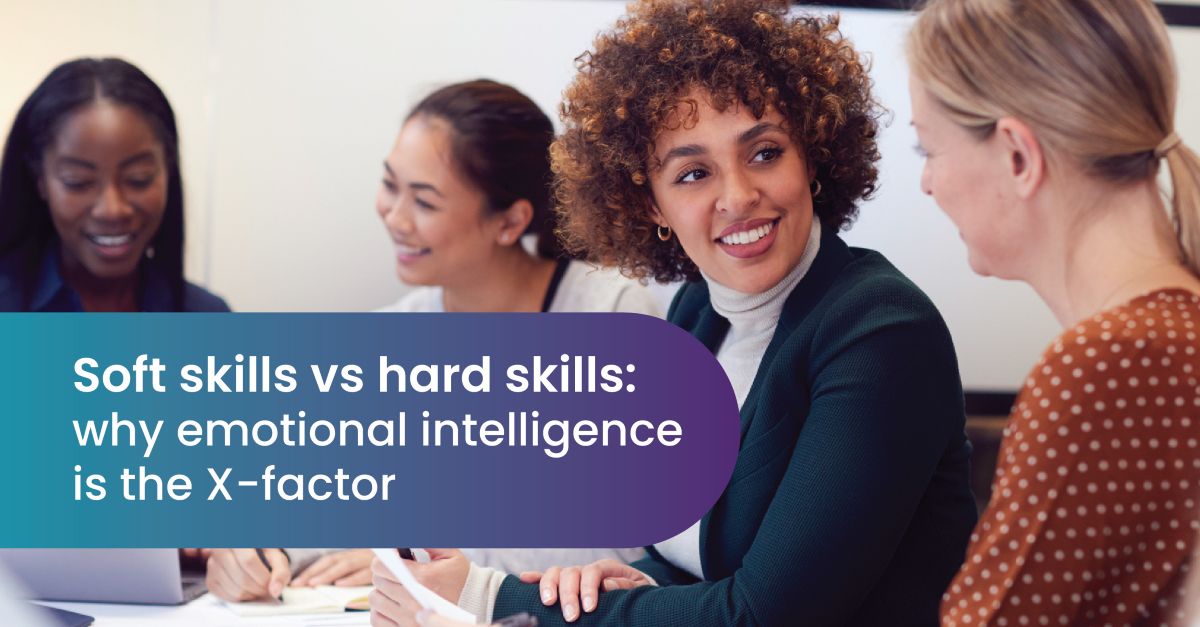
When hiring or promoting employees, organisations often weigh technical expertise (hard skills) against interpersonal capabilities (soft skills). Both matter, but research consistently shows that what sets high performers apart is emotional intelligence. At PM-Partners, we don’t call these “soft skills.” We call them Power Skills because they determine whether technical expertise translates into results.
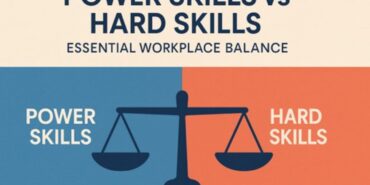
Hard skills vs Power Skills
- Hard skills are measurable, technical abilities like budgeting, coding, or data analysis. They can be tested and certified.
- Power Skills are interpersonal and behavioural capabilities like communication, empathy, and collaboration. They can’t be captured by a multiple-choice test but are essential for influence and trust.
Hard skills may land you a role, but Power Skills determine whether you succeed and grow in it.
Why emotional intelligence is the X-factor
- Collaboration: Technical work is rarely done in isolation. EQ ensures cooperation.
- Leadership: High EQ leaders build trust and motivate teams.
- Adaptability: EQ helps people navigate stress and change.
- Performance: Studies show emotional intelligence accounts for up to 60% of leadership performance.
The Australian workplace context
In culturally diverse, hybrid workplaces, EQ enables professionals to read subtle cues, bridge cultural differences, and maintain trust across distance. It’s a Power Skill that turns technical excellence into outcomes.
How to develop EQ
- Training programs: Optimising interactions with emotional intelligence builds EQ through practice.
- Feedback tools: 360-degree reviews reveal blind spots.
- Coaching: One-on-one coaching helps embed behaviours.
- Daily practice: Reflecting, listening, and regulating responses build EQ over time.
Case study
An Australian technology company trained project managers in EQ. Within a year, delivery success rates improved, with stakeholders citing “better communication and empathy” as key drivers.
FAQs
Q: Are Power Skills more important than hard skills?
Both matter, but without Power Skills, hard skills rarely deliver impact.
Q: Can EQ be measured?
Yes, through assessments and feedback.
Q: How quickly can EQ be developed?
Leaders often see improvements within months with consistent training.
Conclusion
Hard skills may open doors, but emotional intelligence is the Power Skill that sustains success. Organisations that invest in EQ build more adaptable, collaborative, and effective leaders.
👉 Explore our EQ training programs to unlock the X-factor in performance.